
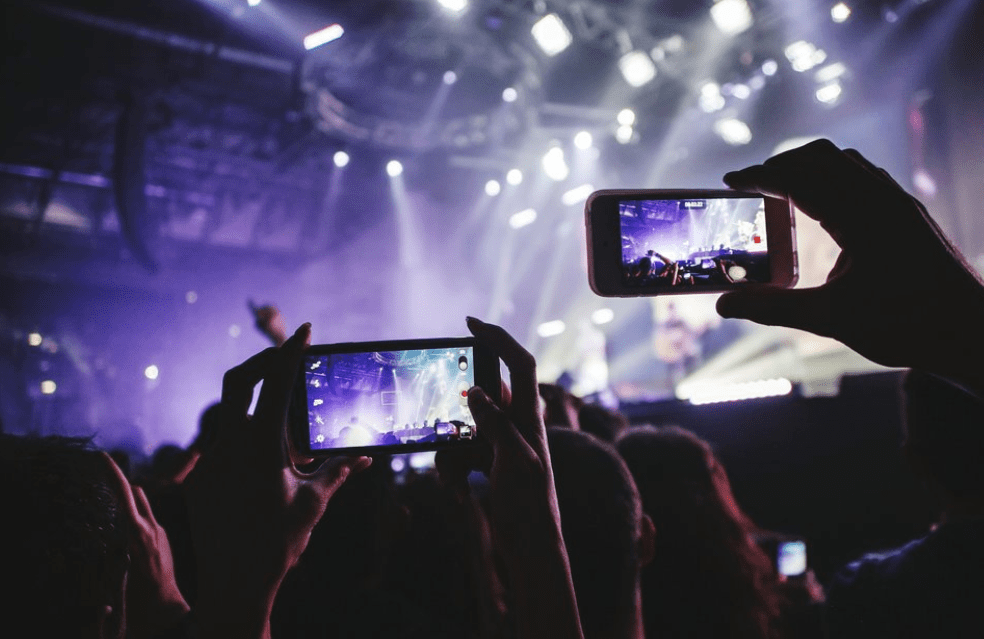
Are Smartphones Stealing the Soul of Nightlife?
The modern dancefloor is facing a digital identity crisis. Should clubbers lose themselves in the music, or document every beat for social media? According to a new study commissioned by Ray-Ban Meta, this question is more relevant than ever. The results highlight a growing frustration within nightlife culture, where presence and performance are increasingly at odds.
As smartphones continue to dominate daily life, their role on the dancefloor is now being seriously questioned. And the findings suggest many clubbers are reaching a breaking point.
Survey Finds Phones Are Killing the Club Vibe
The survey, conducted by Censuswide in October among 2,000 adults, reveals a striking contradiction. While 55 percent of respondents admitted to using their phone while dancing, half of all clubbers believe phones are actively ruining the atmosphere on the dancefloor.
This tension perfectly captures today’s nightlife dilemma. People want to live the moment, yet they feel compelled to capture it. As a result, the dancefloor often becomes a sea of glowing screens rather than a shared physical experience.
Why Clubbers Reach for Their Phones Mid-Set
Among those who used their phones while dancing, motivations varied. Sixty percent said they were filming themselves or their friends, hoping to preserve memories or create shareable content. Meanwhile, 34 percent used their phones to communicate or post in real time.
However, this behavior raises an important question. Are these moments truly being preserved, or simply collected and forgotten? A previous 2024 study by Heineken found that 55 percent of music fans prioritize recording performances over being fully present. Yet, tellingly, 13 percent admitted they rarely rewatch the videos they record.
Nightclubs Push Back With No-Phone Policies
In response, several iconic venues are taking a firm stance. London clubs such as fabric and Fold have long enforced strict no-photo policies. Their goal is simple. Protect the sense of freedom, anonymity, and immersion that club culture was built on.
Similarly, the revived Sankeys in Manchester has announced plans to reopen with a no-phone policy on the dancefloor. This approach aims to restore focus on music, movement, and collective energy rather than digital validation.
DJs Weigh In on the Digital Divide
Veteran DJ Fat Tony describes smartphones in clubs as both “a blessing and a curse.” While technology can amplify reach and visibility, it can also pull dancers out of the moment. According to him, screens disrupt the emotional flow that makes nightlife powerful.
To explore alternatives, Fat Tony recently launched Club 2.0 in London. The concept involved locking away phones while offering Ray-Ban Meta smart glasses as a way to document the night. The experiment sparked debate. Some see it as a creative compromise, while others argue it simply replaces one screen with another.
Can Nightlife Ever Be Phone-Free Again?
The truth is that pre-smartphone nightlife is now a distant memory. However, this does not mean presence is impossible. Instead, it may require conscious cultural enforcement. One venue, one DJ set, and one crowd at a time.
Ultimately, the future of the dancefloor will depend on collective choice. Will clubbers prioritize connection over content? Or will the glow of screens continue to shape how nightlife is experienced?
Conclusion: Choosing the Moment Over the Memory
This new study confirms what many dancers already feel. Phones are changing the energy of club culture, and not always for the better. While technology is here to stay, the growing pushback suggests a renewed desire for authenticity and immersion.
As venues experiment with restrictions and artists speak out, one thing is clear. The debate is far from over. But for many, the solution may be as simple as putting the phone away and letting the music take over.