
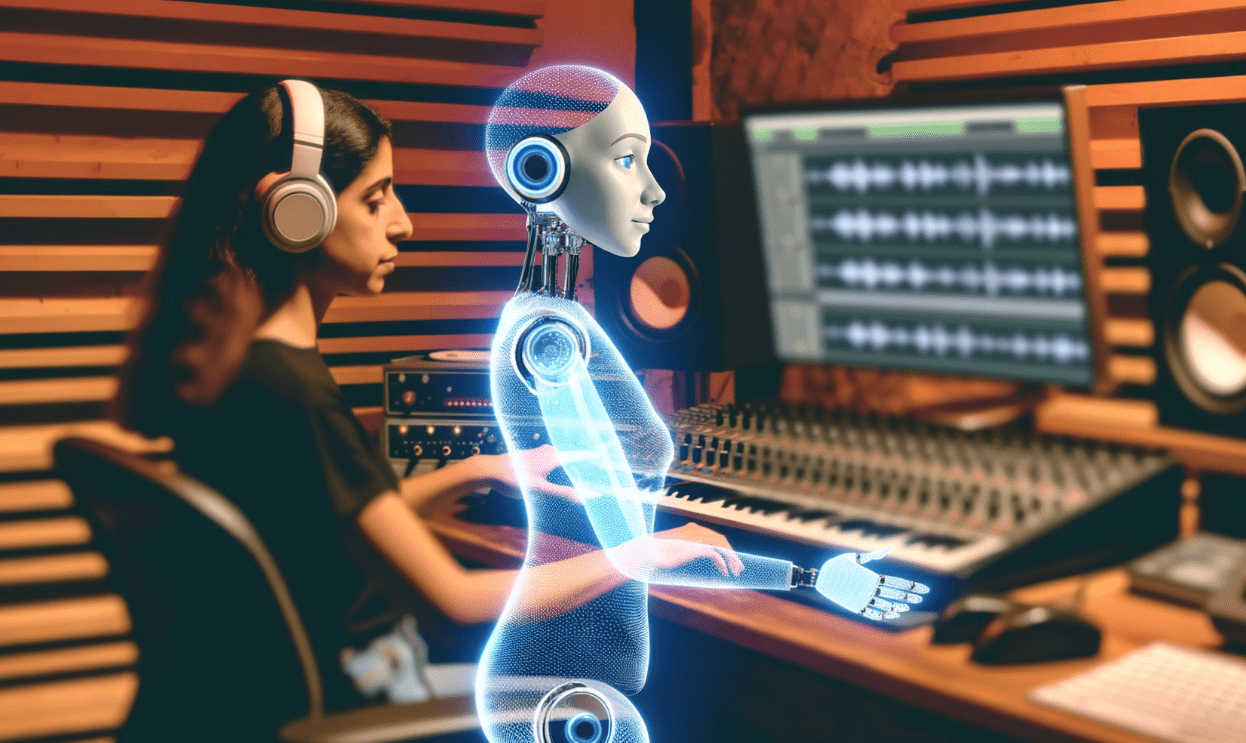

The future of AI-generated content just became clearer—and more complicated—for artists, producers, and creators. On March 4, 2026, the Supreme Court of the United States declined to hear Thaler v. Perlmutter, leaving in place a lower court ruling that works created entirely by AI without meaningful human authorship are not eligible for copyright protection in the U.S. This decision has major implications for musicians, visual artists, and anyone using AI to create content.
Understanding the Thaler Case
The case revolved around Stephen Thaler, a computer scientist who argued that an image generated by artificial intelligence should qualify for copyright protection. After the US Copyright Office rejected the application in 2022, the decision was upheld by a federal judge in 2023 and later affirmed by the D.C. Circuit in 2025. By declining to hear the appeal, the Supreme Court confirmed that human involvement is a necessary component for copyright eligibility.
This ruling is particularly relevant to the music industry, where AI tools are increasingly used to generate beats, stems, vocals, and even entire songs with the click of a button. Platforms like Suno and other AI music generators have opened doors for creators—but the legal landscape is now more complex.
What This Means for Music Producers
For electronic music producers and artists, the ruling highlights the importance of meaningful human authorship. Simply pressing “generate” on an AI platform will not qualify a work for copyright. Creators must document how they shape, arrange, or edit the AI-generated material to establish a human contribution.
This has practical consequences beyond creativity. Artist contracts, collaborator agreements, and the commercial rights tied to AI platforms now require careful attention. If human involvement isn’t clearly defined, legal claims over ownership and profit-sharing could be challenged.
AI-Assisted vs Fully AI-Generated Music
The Supreme Court ruling does not automatically prevent AI-assisted music from gaining copyright protection. Songs or compositions where humans provide substantive input—like composition, production, or editing—can still qualify. The key is demonstrating that the work reflects human creativity rather than being fully automated.
How Streaming Platforms Are Responding
The ruling also intersects with streaming platforms’ evolving policies on AI-generated music. Spotify, for example, has already removed “tens of millions” of AI-generated tracks, explicitly banning songs that mimic an artist’s voice without consent. A viral case, HAVEN’s track I Run, was pulled from the platform after amassing over 13 million streams due to allegations of AI-generated vocals resembling Jorja Smith.
Meanwhile, French streaming service Deezer has implemented aggressive measures to flag and limit fully AI-generated content. In early 2025, Deezer identified 10,000 AI-generated tracks daily, roughly 10% of uploads. By late 2025, the number had jumped to 28%, and in 2026, the platform reports roughly 60,000 daily AI-generated tracks. Many streams were flagged as potentially fraudulent, prompting Deezer to exclude AI-generated tracks from recommendations and demonetize suspicious activity.
These industry measures underline the growing tension between innovation and regulation in AI-driven music creation.
Why Human Authorship Still Matters
The ruling reinforces the value of human creativity in the age of AI. Artists, producers, and content creators are encouraged to maintain detailed records of their creative contributions, from composition choices to editing decisions. Clear documentation of human input can ensure that AI-assisted works remain eligible for copyright protection and commercial use.
For musicians, this also means choosing AI tools wisely. Legal and commercial rights vary depending on the platform, so creators must confirm that their AI-generated material can be distributed and monetized legitimately.
Implications for the Future of AI in Music
While AI continues to reshape the music production landscape, the Supreme Court ruling highlights limits on automation. It’s unlikely that fully AI-generated works will be eligible for copyright in the near term. Instead, the focus is on collaboration: humans working alongside AI to enhance creativity while maintaining clear ownership.
For music producers, this could spark a new wave of AI-assisted production techniques. The tools remain powerful, but success will hinge on the human element: the decisions, edits, and unique touches that transform AI output into truly creative works.
Conclusion
The Supreme Court’s decision in Thaler v. Perlmutter sends a strong message to creators across industries: AI can generate content, but humans remain essential for copyright protection. For music producers, this ruling emphasizes the importance of documented creative input and legal awareness when using AI tools. As the music industry navigates this evolving landscape, one thing is clear: AI may assist, but human creativity still drives ownership, recognition, and lasting impact.