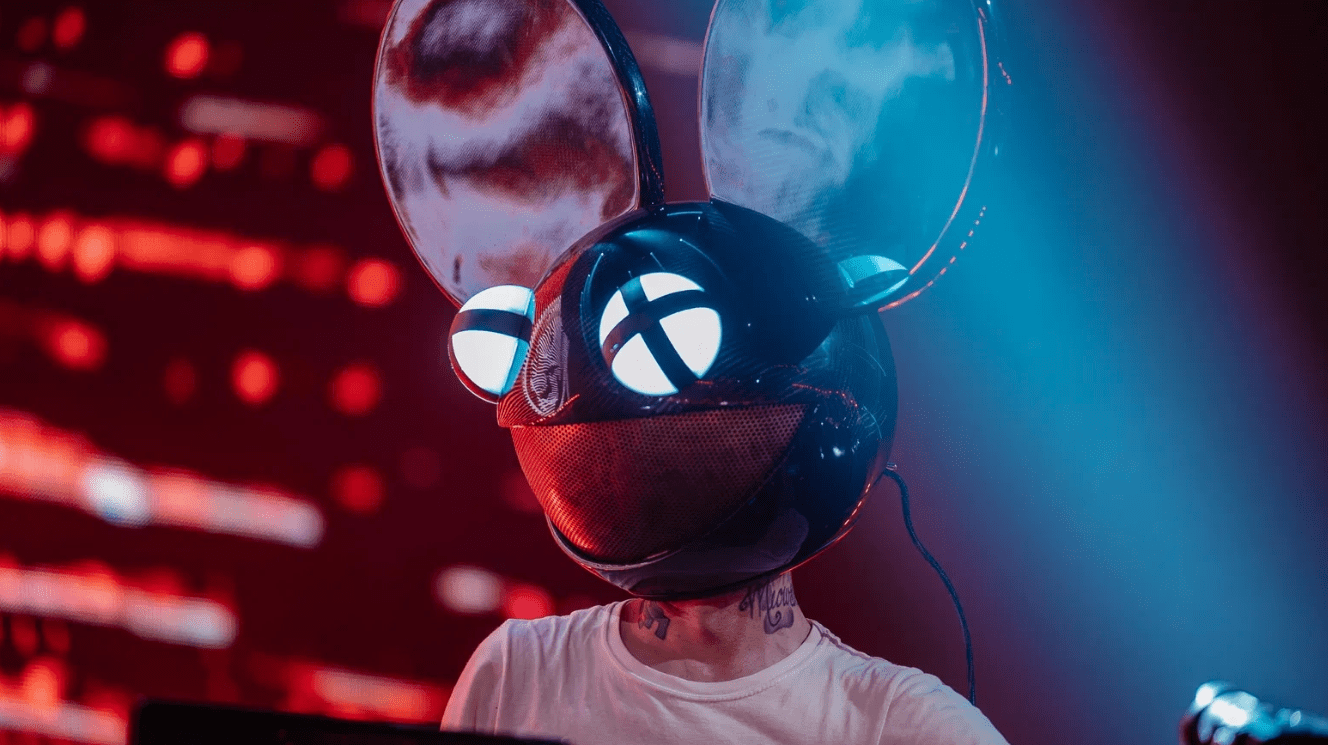
Electronic music icon deadmau5 (Joel Zimmerman) has publicly condemned the unauthorized use of artificial intelligence to create a deepfake video featuring his likeness. The video, which circulated on Instagram, appeared to show him endorsing another artist without his knowledge or consent, sparking widespread concern about AI misuse in the music industry.
Discovery of the Deepfake
Zimmerman revealed in a statement posted to Threads that he came across the digitally fabricated video recently. The clip portrayed him promoting a DJ whose name he deliberately withheld to avoid giving any attention or promotion. According to Zimmerman, the synthetic voice in the video was convincing but not entirely authentic.
Describing the experience as “scary as f***,” Zimmerman warned that AI-powered deepfakes represent a growing threat to artists’ rights, creativity, and reputations. “This is just the beginning for talentless individuals to abuse this tech to further themselves while violating others’ rights in one of the worst ways possible,” he wrote.
The Growing Challenge of Deepfakes in Music
The incident shines a light on a larger, systemic concern: the potential misuse of AI and deepfake technology in the music industry. Artists are increasingly vulnerable to their images, voices, and performances being digitally replicated and used without permission.
Deepfakes can range from harmless imitations to malicious content, including fake endorsements, promotional campaigns, or even entirely fabricated performances. For high-profile artists like deadmau5, the stakes are particularly high, as such misuse could impact both public perception and commercial opportunities.
Industry experts suggest that the rapid advancement of AI technology has outpaced legal protections. While AI offers immense creative potential—such as generative music tools, remixing, and virtual collaborations—it also presents ethical and intellectual property dilemmas. The deadmau5 incident is a cautionary example of how these technologies can be misused when safeguards are insufficient.
Zimmerman’s Take on AI
Despite the deepfake incident, Zimmerman has expressed general support for artificial intelligence, noting its potential for creativity and innovation. However, he stressed the need for stricter regulations and accountability mechanisms to prevent malicious use. At this stage, he has not confirmed whether he intends to pursue legal action against the creator of the deepfake video.
The situation has prompted discussions across social media and music forums, with many artists and fans echoing his concerns. Some have called for AI platforms to implement verification systems or digital watermarks to protect artists from impersonation, while others urge legislative intervention to address emerging AI-related violations of rights.
Impact on the Music Community
The deadmau5 deepfake story is part of a wider debate about AI in creative industries. Electronic music, in particular, has been quick to adopt digital tools, from AI-generated visuals to virtual performances. But the technology’s misuse underscores the need for awareness, ethics, and proactive measures to protect creators.
Artists have long relied on their personal brand and likeness as a core aspect of their professional identity. Deepfake technology threatens this by allowing anyone to digitally replicate an artist’s appearance, voice, or performance in ways that can be misleading or harmful. For fans and collaborators, it becomes increasingly difficult to discern authentic content from AI-generated fabrications.
Upcoming Projects
In the midst of these challenges, deadmau5 continues to move forward creatively. The producer recently announced plans to retire his iconic “cube” stage production, a staple of his live shows for years. He is preparing for a new album and reimagined live show, marking his first major release since 2016. While Zimmerman has yet to reveal the album’s title or official release date, he confirmed that it is scheduled for 2026. Fans are eagerly anticipating how his innovative production style will evolve in this next chapter.
Looking Ahead
The deadmau5 incident serves as a wake-up call for the music industry. As AI technology continues to evolve, so too does the potential for abuse. Musicians, record labels, and legal bodies are increasingly recognizing the need to develop frameworks that balance technological innovation with ethical responsibility.
For artists, the key takeaway is clear: proactive monitoring of digital platforms, coupled with legal safeguards and technological tools, will be critical to maintaining control over one’s image, voice, and brand in an era of AI-driven content.