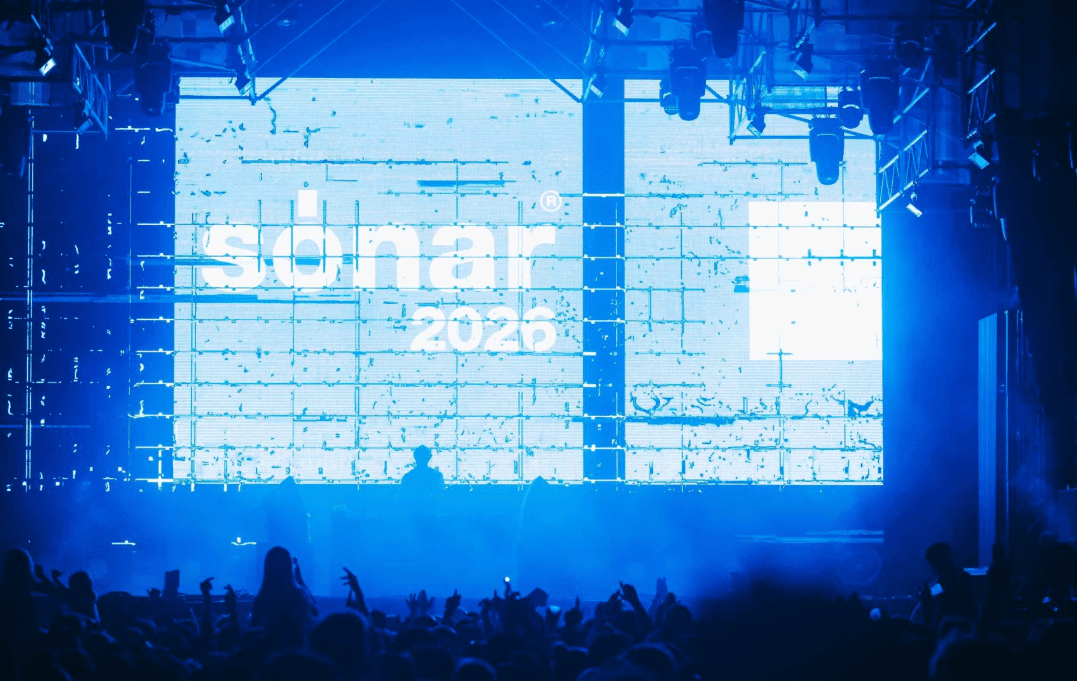
Every year, Sónar pushes the boundaries of what a modern festival can be. In 2026, the iconic Barcelona event once again proved why it remains one of the world’s most influential gatherings for electronic music, digital culture, and technological innovation. Bringing together artists, creators, industry leaders, and music lovers from around the globe, Sónar 2026 delivered its most ambitious edition yet.
Held from June 18 to June 20, the festival attracted an impressive 150,000 attendees and transformed Barcelona into a vibrant hub of creativity, sound, and forward-thinking ideas. From groundbreaking performances and immersive visual experiences to thought-provoking discussions about artificial intelligence, this year’s edition showcased the future of entertainment in remarkable fashion.
Sónar 2026 Draws Record Crowds to Barcelona
Barcelona has long been synonymous with Sónar’s unique blend of music and innovation, but the 2026 edition elevated the experience even further.
The festival welcomed attendees from across the world for three packed days of programming that spanned electronic music, audiovisual art, emerging technology, and creative experimentation. Organizers continued their mission of expanding the event’s scope, introducing new locations and experiences designed to deepen audience engagement.
One of the biggest milestones came on the festival’s closing day, when Sónar operated six stages simultaneously from a single venue for the first time in its history. The expanded format allowed visitors to experience an unprecedented range of performances across multiple genres and artistic disciplines.
As a result, festivalgoers enjoyed nearly nonstop entertainment throughout the weekend, reinforcing Sónar’s reputation as one of the most dynamic cultural events in Europe.
World-Class Artists Deliver Unforgettable Performances
Music remains at the heart of the Sónar experience, and the 2026 lineup featured more than 100 acts representing some of the most exciting names in electronic music.
Fans were treated to standout performances from Charlotte de Witte, Skepta, The Prodigy, and Cabaret Voltaire, alongside a diverse selection of emerging artists and experimental performers. The carefully curated lineup reflected Sónar’s ongoing commitment to showcasing both established icons and cutting-edge talent.
Among the most talked-about moments was AURA, the highly anticipated visual performance from Amelie Lens. Combining powerful music with immersive production, the show demonstrated how electronic music performances continue to evolve beyond traditional DJ sets.
Another major highlight was STOOR Live, a 360-degree improvisational project that occupied the SonarCar stage for two consecutive days. The innovative concept blurred the lines between performance, collaboration, and audience participation, creating one of the festival’s most unique experiences.
Innovation Meets Entertainment
What separates Sónar from many other music festivals is its ability to seamlessly merge technology with artistic expression.
Throughout the event, attendees encountered interactive installations, digital art exhibits, and immersive environments that transformed festival spaces into living laboratories of creativity. Rather than simply presenting music performances, Sónar encouraged visitors to explore how technology can shape future forms of entertainment and communication.
This fusion of disciplines continues to attract a diverse audience that extends well beyond traditional electronic music fans.
Sónar+D Explores the Future of Artificial Intelligence
A major pillar of the festival is Sónar+D, the conference and innovation platform that runs alongside the music programming.
Celebrating its 13th edition in 2026, Sónar+D moved to a new home at Barcelona’s historic Llotja de Mar. The venue provided an inspiring backdrop for discussions focused on technology, creativity, and the evolving relationship between humans and machines.
More than 200 speakers from around the world participated in masterclasses, workshops, panel discussions, and networking sessions. The program attracted over 4,000 attendees eager to gain insights into emerging technologies and future trends.
Artificial Intelligence Takes Center Stage
Artificial intelligence emerged as one of the dominant themes throughout Sónar+D 2026.
Experts explored how AI is transforming industries ranging from music production and visual design to business strategy and digital communication. Discussions also examined the ethical challenges and creative opportunities that accompany increasingly sophisticated AI systems.
The conversations reflected a broader shift occurring across the creative industries. As artists and technologists adapt to rapidly evolving tools, events like Sónar+D serve as important forums for collaboration and knowledge sharing.
By bringing together innovators from multiple disciplines, the conference reinforced its role as one of the most influential technology and creativity gatherings in Europe.
New Experiences Expand the Festival Beyond Traditional Boundaries
Sónar 2026 wasn’t limited to music venues and conference halls.
Organizers introduced the new Sónar District, extending activities across additional locations throughout Barcelona. The initiative helped showcase the city’s thriving electronic music culture while creating new opportunities for visitors to engage with the festival beyond its primary venues.
The district complemented the popular OFFSónar series held at Poble Espanyol, further strengthening Barcelona’s status as a global destination for electronic music enthusiasts.
Meanwhile, the closing celebration at the legendary Raval club extended into Sunday evening, ensuring that the festival’s energy continued long after the main program had ended.
Family-Friendly Programming Continues to Grow
Another standout feature was the return of Sónar Kids, which offered experiences specifically designed for younger audiences and families.
Hosted at Parc del Fòrum, the family-focused program sold out, highlighting growing demand for inclusive cultural experiences that appeal to multiple generations.
By catering to a broad demographic range, Sónar continues to demonstrate that innovation, education, and entertainment can coexist within a single festival ecosystem.
Looking Ahead to Sónar 2027
Although the 2026 edition has officially concluded, attention has already shifted toward next year’s event.
Organizers have confirmed that Sónar will return to Barcelona from June 17 to June 20, 2027. Early registration for presale ticket access is already available, reflecting strong anticipation among returning attendees and newcomers alike.
The Sónar brand is also expanding internationally. Following the success of the Barcelona event, the team is heading to Tokyo for its first Japanese edition in 13 years. The event will take place as part of the NU Festival at Takanawa Gateway City, further extending Sónar’s global influence.
This international growth highlights the festival’s enduring appeal and its ability to connect creative communities across continents.
Conclusion: Why Sónar 2026 Was a Landmark Edition
Sónar 2026 successfully delivered everything fans have come to expect from one of the world’s most innovative festivals. From world-class performances and groundbreaking visual productions to insightful discussions about artificial intelligence and digital culture, the event showcased the future of music and technology on a global stage.
With record attendance, expanded programming, and exciting international plans on the horizon, Sónar continues to redefine what a modern festival experience can be. For anyone passionate about electronic music, innovation, and creativity, Sónar remains one of the most essential events on the cultural calendar.