
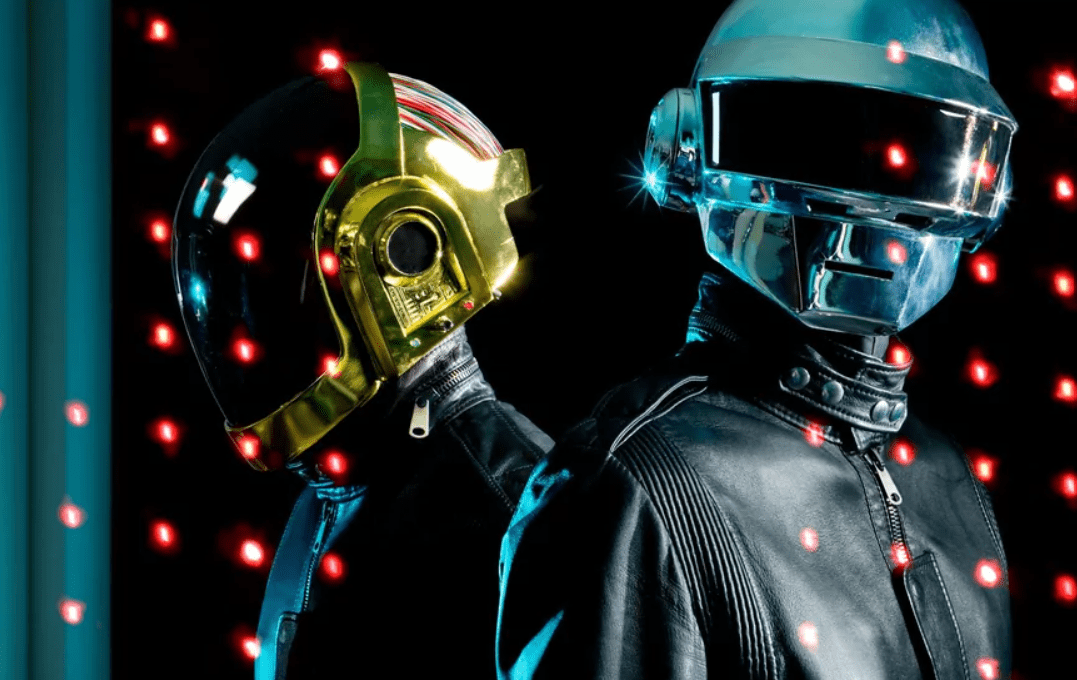
For years, fans around the world have held onto hope that Daft Punk might one day return. Since the legendary French duo announced their split in 2021, speculation about a reunion has never truly disappeared. Now, Thomas Bangalter has offered one of his clearest and most definitive reflections yet on the end of the iconic project, revealing why he believes the story reached its natural conclusion.
Speaking from his Paris studio in a recent interview with The Times, Bangalter discussed life after Daft Punk, the challenges of maintaining the duo’s celebrated robot personas, and his creative journey beyond one of electronic music’s most influential acts. While his comments may disappoint fans dreaming of a comeback, they also provide a fascinating look into the mindset of an artist determined to keep moving forward.
Thomas Bangalter on the Daft Punk Split
The conversation centered on a topic that continues to captivate music fans worldwide: the Daft Punk split.
Rather than expressing regret, Bangalter spoke with a sense of satisfaction about how the duo’s story ended. According to him, one of the greatest achievements of Daft Punk was knowing when to stop before compromising the project’s legacy.
Reflecting on the group’s nearly three-decade journey, he emphasized that the partnership enjoyed a remarkably long lifespan compared to many famous musical collaborations. In his view, creative partnerships often produce their best work within a limited period, making Daft Punk’s 28-year run an extraordinary achievement.
More importantly, Bangalter suggested that continuing indefinitely could have risked diminishing what made the project special in the first place. For him, ending on a high note was preferable to extending the story beyond its natural endpoint.
Why a Daft Punk Reunion Appears Unlikely
Fans have repeatedly speculated about a possible reunion since the duo’s farewell announcement. However, Bangalter’s latest remarks leave little room for interpretation.
He explained that remaining in character became increasingly difficult over time. Daft Punk was never simply a music project. It was a carefully constructed artistic concept that blurred the boundaries between reality and fiction.
The robot helmets, mysterious public appearances, and carefully controlled image became central elements of the group’s identity. Maintaining that illusion for decades required an enormous level of commitment.
As Bangalter reflected, Daft Punk functioned almost like a long-running performance art piece. The challenge eventually became preserving the magic without undermining it.
His comments suggest that revisiting the project now would risk disrupting the carefully crafted legacy that fans continue to celebrate.
The Weight of an Unmatched Legacy
Few artists in modern music can claim the cultural impact achieved by Daft Punk.
From pioneering French house music to redefining electronic pop, the duo influenced multiple generations of producers, DJs, and songwriters. Albums such as Homework, Discovery, Human After All, and the Grammy-winning Random Access Memories helped shape the sound of contemporary dance music.
Yet despite the immense success, Bangalter admitted that the scale of Daft Punk’s achievements still feels difficult to comprehend.
Billions of streams, sold-out tours, global recognition, and countless accolades represent statistics that even he struggles to fully process. While the numbers are staggering, Bangalter’s reflections reveal a surprisingly grounded perspective.
Rather than focusing on commercial milestones, he appears more interested in the artistic significance of the work itself and the creative freedom that follows its conclusion.
Life Beyond the Robots
One of the most revealing aspects of the interview was Bangalter’s discussion of identity after Daft Punk.
For decades, he was known primarily as one half of the robotic duo. Today, he views himself differently.
His comments highlighted the distinction between the public persona and the individual behind it. The robots became larger than life, transforming into cultural symbols recognized across the globe. However, Bangalter now embraces a more personal artistic identity.
In a striking reflection, he noted that he was once one of the robots but is now simply a human being without those imagined superpowers.
The statement captures the broader theme of his post-Daft Punk career: stepping away from an iconic character and rediscovering creative expression on his own terms.
A New Creative Chapter With Mirage – Ballet for 16 Dancers
The interview arrives at a significant moment in Bangalter’s solo career.
His latest project, Mirage – Ballet for 16 Dancers, continues the artistic evolution that has defined his work since Daft Punk’s dissolution. Rather than pursuing a straightforward return to club-oriented electronic music, Bangalter has explored orchestral composition, ballet, and experimental forms.
The album draws inspiration from the groundbreaking work of Greek-French composer Iannis Xenakis, a figure renowned for combining mathematics, architecture, and music in innovative ways.
This influence reflects Bangalter’s ongoing desire to challenge himself creatively. Instead of revisiting familiar territory, he has chosen to explore new artistic landscapes that push beyond the expectations associated with his past success.
For longtime fans, the project offers insight into the broader range of influences that have shaped his musical thinking throughout his career.
What Daft Punk’s Legacy Means Today
More than five years after the split, Daft Punk remains one of the most respected names in electronic music.
Their influence can be heard across genres, from house and techno to pop and hip-hop. Artists continue to cite the duo as a major inspiration, while younger listeners regularly discover their catalog through streaming platforms and social media.
The enduring popularity of tracks like “One More Time,” “Around the World,” and “Get Lucky” demonstrates the timeless quality of their music.
At the same time, Bangalter’s reflections offer an important lesson about artistic longevity. Success is not always about continuing indefinitely. Sometimes, preserving a legacy requires recognizing when a chapter has reached its conclusion.
That philosophy appears to define his perspective on Daft Punk today.
Conclusion
Thomas Bangalter’s latest comments provide perhaps the clearest indication yet that the Daft Punk split was a deliberate and final creative decision. Rather than looking backward, he remains focused on exploring new artistic possibilities and expanding his work beyond the boundaries of the legendary duo.
While fans may continue to dream of a reunion, Bangalter’s perspective suggests that Daft Punk achieved exactly what it set out to accomplish. The project ended without compromising its identity, its mystery, or its extraordinary influence on modern music.
For one of electronic music’s most iconic acts, that may be the most fitting ending of all.