
For decades, electronic music has asked audiences to surrender themselves to the moment. A bassline arrives, thousands of people move together, strangers become temporary companions, and an ordinary night can suddenly feel almost impossible to explain.
Now, Armin van Buuren wants to know why.
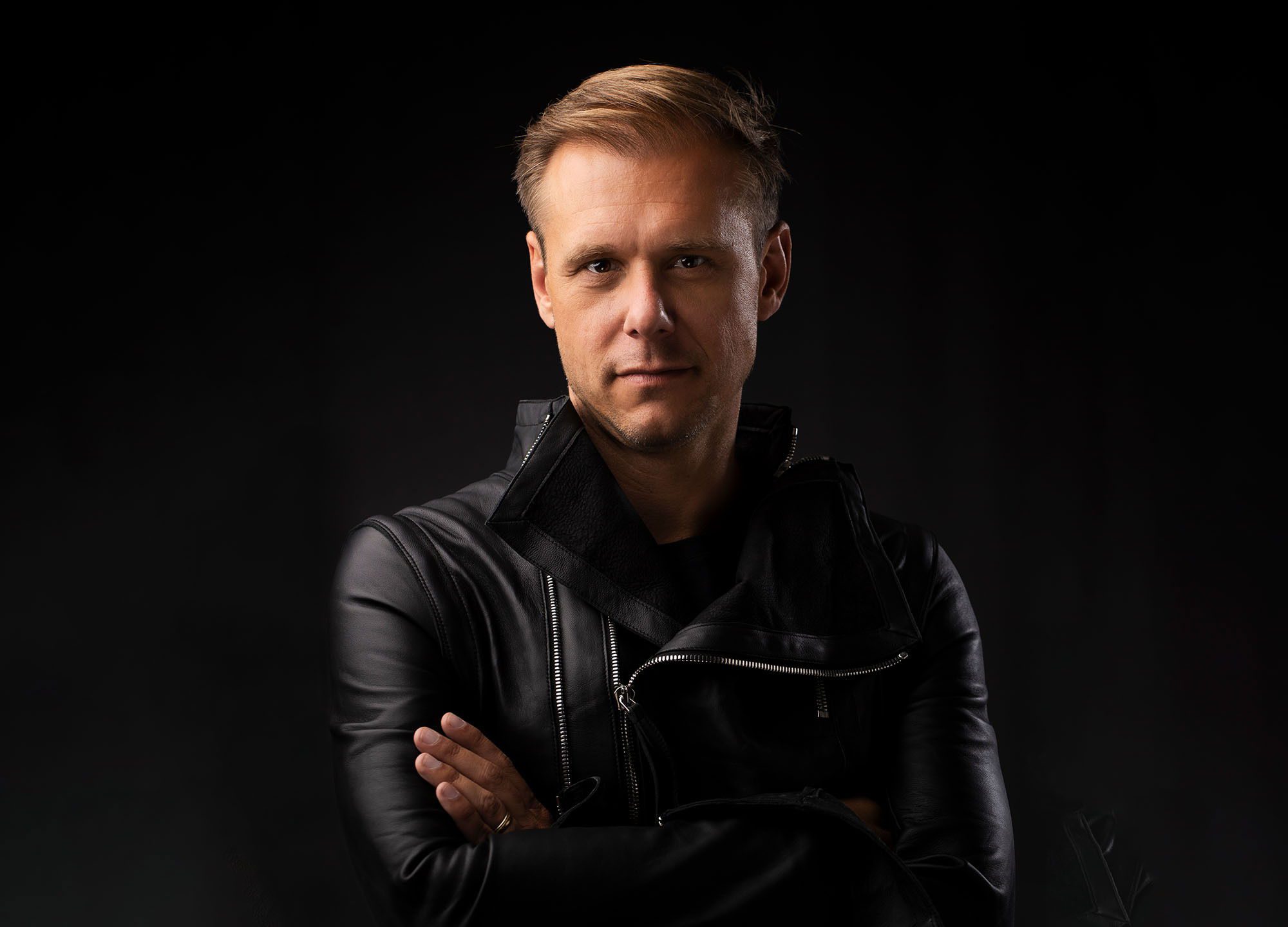
The Dutch trance icon has released The Psychology of the Dancefloor: An A State of Trance Documentary, a new 10-minute film recorded during his A State of Trance residency at UNVRS Ibiza. Created with psychotherapist Rachel Giddings and directed by Izah Muller, the documentary shifts the camera away from the DJ and toward the people who have come to hear him play.
It is a deceptively simple change of perspective, but one that opens a much larger conversation about what actually happens when music becomes a collective experience.
The Dancefloor as a Psychological Space
Electronic music has always been closely connected to ideas of escape, connection and altered perception. Yet conversations around club culture often focus on the artists, productions, technology and spectacle rather than the emotional mechanics happening among the audience.
The Psychology of the Dancefloor attempts to close that gap.
Filmed around Armin’s five-hour UNVRS performances, the documentary examines the emotional intensity of experiencing music alongside thousands of other people. Rather than treating the crowd as background scenery for the DJ’s performance, it positions the audience as the central subject.
That distinction matters.
A club can bring together people who have nothing else in common: different ages, professions, nationalities and personal histories. For several hours, however, they can respond to the same melody, the same breakdown and the same release at precisely the same moment.
The film asks what that shared experience does to the human mind.
Why Do Strangers Feel Connected?
One of the most enduring mysteries of the dancefloor is how quickly social boundaries can dissolve.
A stranger becomes someone you exchange a smile with during a euphoric breakdown. A room full of people begins moving as if it were one organism. A track heard thousands of times through headphones can suddenly feel completely different when experienced with thousands of other people.
Those moments are central to Armin’s documentary.
Through a psychological lens, the film explores the relationship between music, emotion and collective identity, asking why certain moments on a dancefloor can feel disproportionately powerful and why shared musical experiences can create a temporary sense of belonging.
For trance in particular, this question carries cultural weight.
The genre has long built its identity around emotional progression. Long introductions, patient builds, expansive melodies and euphoric releases create a form of musical storytelling designed to take listeners somewhere rather than simply deliver an immediate impact.
Armin’s extended five-hour sets amplify that idea. The dancefloor becomes less about individual tracks and more about an evolving emotional journey.
Armin Puts the Crowd First
For an artist whose career has been built around one of electronic music’s most recognisable global brands, A State of Trance, the decision to make the audience the protagonist feels significant.
“The DJ is often at the centre of attention, but the real magic happens on the dancefloor,” Armin says in the film’s introduction.
That idea runs against the traditional mythology of the superstar DJ.
Modern electronic music has increasingly turned its biggest artists into visual icons, with enormous stages, sophisticated lighting systems, immersive visuals and highly choreographed productions. The DJ booth can resemble a command centre at the heart of a spectacle.
But the audience is ultimately the reason the spectacle exists.
By turning his attention toward the crowd, Armin acknowledges something fundamental: a DJ does not create a dancefloor experience alone. The relationship is reciprocal. The artist shapes the atmosphere, but the audience supplies its emotional energy and responds to every shift in the music.
The result is a feedback loop between performer and crowd that can become almost impossible to replicate anywhere else.
UNVRS Becomes More Than a Venue
The choice of UNVRS Ibiza as the setting is equally fitting.
The venue has quickly established itself as one of the island’s major destinations for large-scale electronic music, making it an appropriate environment for examining what happens when intimate emotional experiences occur inside an enormous club setting.
Armin’s residency also stretches beyond conventional headline DJ performances. His Monday shows continue through October 5, with vinyl-only sessions incorporated into the residency alongside sets involving artists including Hannah Laing, Argy and Eli Brown. Funk Tribu is also scheduled to join the September 28 edition.
The programming reflects the breadth of contemporary trance and adjacent electronic sounds, while the documentary provides a more introspective perspective on the experience surrounding those performances.
A Different Kind of Dance Music Documentary
There is something refreshing about a documentary that does not attempt to explain electronic music exclusively through the people making it.
The history of dance music is filled with stories about legendary DJs, groundbreaking producers, iconic clubs and revolutionary records. Those stories matter. But the culture ultimately survives because people continue to gather, dance and find meaning in music together.
That is the territory The Psychology of the Dancefloor explores.
The documentary arrives during another active period for Armin, following recent musical projects including his trance interpretation of Red Hot Chili Peppers’ “By The Way” and his rework of “Toca’s Miracle” with Pete Tong.
Yet the film offers a different kind of statement from another new release. Instead of asking what Armin can create next, it asks what his music creates inside the people listening to it.
The Most Important Part of the Club Is Still the People
The great irony of electronic music is that some of its most powerful experiences are difficult to capture.
A recording can preserve the sound. A video can preserve the visuals. A photograph can preserve a moment.
But none of them completely explains what it feels like to stand inside a crowd when a track reaches its emotional peak and thousands of people realise, simultaneously, that they are feeling the same thing.
That is the mystery Armin van Buuren is interested in.