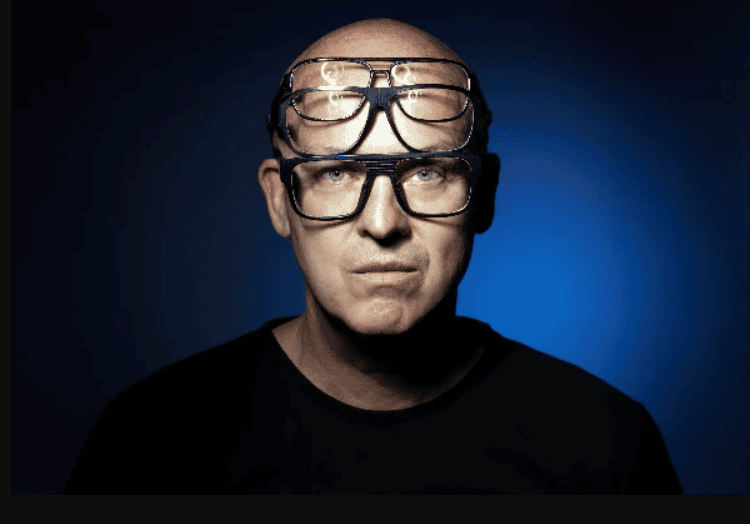
The Stephan Bodzin DGTL India controversy is gaining attention after allegations surrounding a 2025 performance in Gurugram resurfaced online. The claims, made by Delhi electronic artist BLOT!, have prompted calls for Bodzin to be removed from the DGTL India 2026 lineup and renewed debate about how international headliners, local artists and promoters should navigate professional standards in India’s rapidly growing electronic music scene.
Why Stephan Bodzin’s DGTL India Booking Is Under Scrutiny
Stephan Bodzin is an established German electronic artist known for his melodic, hardware-driven approach to techno and immersive live performances. His career has included releases across major electronic labels and appearances at leading festivals, making him a significant international name within the genre.
That profile is now at the centre of a debate that extends beyond one festival booking.
The controversy relates to an alleged backstage dispute at Spacetech Halloween 2025 in Gurugram on 31 October. According to BLOT!, the New Delhi-based artist and producer whose real name is Gaurav Malaker, Bodzin’s performance reportedly continued around 40 minutes beyond its scheduled ending.
BLOT! has alleged that when he attempted to facilitate the changeover, Bodzin’s manager objected and made a threatening remark. He further claimed that the manager verbally confronted him and that Bodzin’s equipment subsequently took additional time to leave the stage.
These are allegations, not independently established findings. Bodzin’s team has not, at the time of publication, publicly provided its account of the incident.
BLOT! Allegations Put Artist Power Dynamics In Focus
The story has attracted attention partly because BLOT! is not an emerging artist unfamiliar with the industry. Malaker has spent years building a career within India’s electronic music community, performing internationally and releasing music through established labels.
That background has given the allegations wider significance.
The dispute is being discussed as an example of a broader concern within live electronic music: whether local artists receive the same professional consideration as internationally touring headliners.
Scheduling problems can happen at any festival. Sets run over, equipment takes longer than expected to clear, and technical complications can disrupt carefully planned changeovers. However, the manner in which those problems are handled can have consequences far beyond a few minutes of lost stage time.
For local artists, particularly those who have invested years in developing a scene, perceived differences in treatment can become a question of respect and professional equality.
Why The Allegations Matter Beyond One Set
The conversation surrounding Stephan Bodzin DGTL India is therefore less about a single changeover and more about how the electronic music industry manages power.
International artists often arrive with established teams, technical requirements and considerable commercial value. Local artists, meanwhile, are frequently essential to the identity of the scene itself. When disagreements arise, promoters and event teams are expected to balance the needs of both sides while maintaining a safe and professional working environment.
That balance becomes particularly important in markets such as India, where electronic music has developed a strong local ecosystem alongside growing international interest.
Shuchir Soni Calls For Accountability
Entrepreneur and music industry figure Shuchir Soni brought renewed attention to the allegations through an Instagram post this week, arguing that the incident should not simply be dismissed.
Soni highlighted BLOT!’s years of contribution to India’s electronic music community and questioned what he described as a lack of accountability following the alleged confrontation. His intervention helped push the issue beyond the original account and into a broader public discussion about professional conduct at major dance music events.
The reaction also reflects a changing attitude among audiences and industry professionals.
Festivalgoers increasingly pay attention not only to lineups but also to how artists, crews and local communities are treated. As electronic music becomes a larger global business, expectations around workplace conduct, communication and accountability are evolving alongside the size of the industry.
BLOT! Clarifies His Position On DGTL
BLOT! subsequently addressed the conversation through Instagram Stories, making clear that his criticism was not driven by disappointment over being absent from the upcoming DGTL India lineup.
He said he had performed at DGTL several times and had previously been offered a headline position under circumstances he considered questionable. According to his account, he declined that opportunity.
Instead, BLOT! framed the controversy as an opportunity for the Indian electronic music industry to examine what he described as a potentially damaging pattern.
That distinction matters. The discussion is not simply about whether one artist should appear on a festival bill. It raises a larger question about what standards promoters should apply when working with international acts and their management teams.
DGTL Says It Is Reviewing The Situation
DGTL has responded cautiously, saying its events are intended to provide respectful and safe environments for artists, teams and audiences. The festival also noted that the reported incident occurred outside a DGTL event and said it was reviewing the available information before commenting further.
That position is significant because DGTL has built its identity around combining international artists with local talent, while also emphasizing sustainability, innovation and broader cultural experiences. The festival describes its programming philosophy as a balance between leading names, new discoveries and local artists.
The distinction between an incident at a separate event and conduct involving a DGTL booking is also important. Without establishing the facts of the 2025 dispute, it would be premature to treat the allegations as proof of wrongdoing.
At the same time, reviewing the matter gives the festival an opportunity to demonstrate how it approaches concerns involving artists appearing on its lineup.
What Happens Next For Stephan Bodzin DGTL India?
The immediate focus will likely remain on whether Bodzin’s team responds publicly and whether DGTL provides additional information after its review.
For now, the situation remains unresolved. The allegations made by BLOT! have generated significant discussion, but the available public accounts do not establish an independently verified version of events.
The controversy nevertheless highlights an issue that extends well beyond one booking.
As India’s electronic music industry continues to expand, relationships between international headliners, domestic artists, managers and promoters will become increasingly important. Clear contracts, realistic set times, professional changeovers and consistent standards of conduct can help prevent disagreements from becoming larger disputes.
Ultimately, the Stephan Bodzin DGTL India debate is about more than a name on a festival poster. It is about the standards expected from a modern dance music industry and whether international status should ever create a different set of expectations for professional behaviour.
For DGTL, Bodzin and the wider Indian electronic music community, the next steps will determine whether the controversy fades as an unresolved dispute or becomes a catalyst for meaningful discussion about respect, accountability and equality within the scene.