
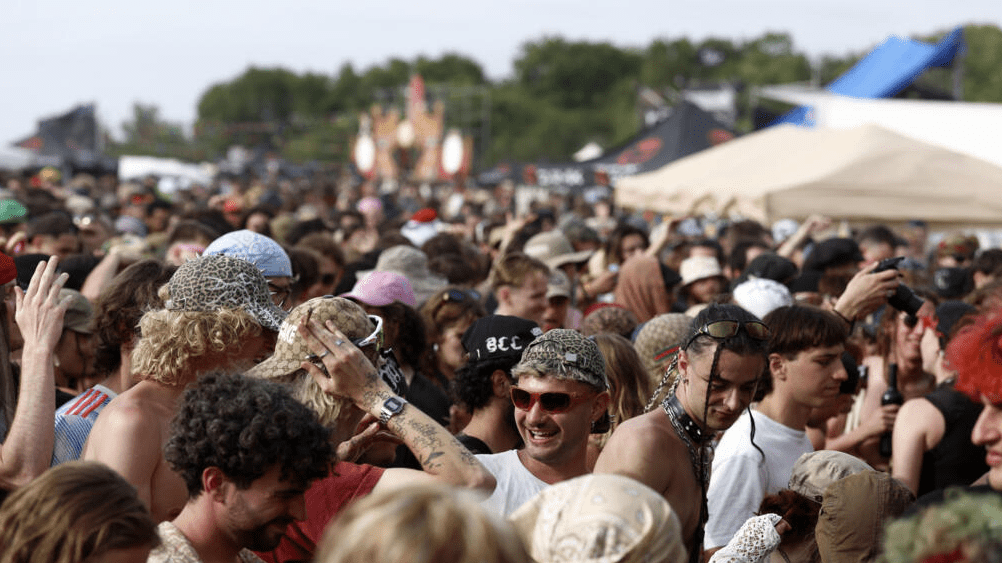
In a country where electronic music was once forged in abandoned fields, industrial zones, and defiant late-night gatherings, a new legal proposal is threatening to redraw the boundaries of freedom on the dancefloor. The latest crackdown emerging from France is not just another policy shift—it’s shaping up to be a defining moment in the long-standing tension between rave culture and the state.
At stake is more than legality. It’s identity.
The Law That Targets More Than Just Parties
The proposed legislation aims to impose strict penalties on unauthorized gatherings exceeding 250 people—effectively targeting the backbone of the country’s free-party movement. Under its current form, organizers could face up to six months in prison alongside significant financial penalties, while attendees risk fines that escalate sharply for repeat participation.
But the most controversial aspect lies in how the law defines responsibility.
By expanding the term “organizer” to potentially include anyone involved in logistics, sound system transport, or even online promotion, the legislation shifts from targeting individuals to encompassing entire communities. In practice, this could criminalize not just the event—but the ecosystem that makes it possible.
And that’s where the backlash begins.
A Scene Built on Resistance
France’s free-party culture is not a fringe movement—it’s a foundational pillar of European electronic music. From the teknival explosions of the early ’90s to modern-day renegade gatherings, the scene has always existed in a delicate balance between autonomy and regulation.
These events were never just about music. They were about access, expression, and reclaiming space outside commercial nightlife structures.
To many within the culture, this law doesn’t read as public safety—it reads as erasure.
Protest Through Sound
The response has been immediate and unmistakably loud.
In recent days, tens of thousands of ravers gathered at a military site in a massive show of unity—part protest, part celebration, entirely symbolic. Elsewhere, cities like Marseille have hosted events framed as potential “final raves,” charged with a sense of urgency and defiance.
These gatherings are not simply reactions. They are statements: that the culture will not quietly dissolve under legislative pressure.
Because historically, it never has.
A Wider European Pattern
France is not acting in isolation. Across Europe, tightening restrictions on nightlife, festivals, and unlicensed events have become increasingly common. Rising costs, urban development, and political pressure have steadily reshaped the landscape.
But this proposal feels different in scale.
By extending legal liability beyond promoters to participants and supporters, it introduces a model that could ripple across borders if adopted elsewhere. For a culture that thrives on decentralization and collective participation, that shift is significant.
The Cultural Cost of Regulation
There is, of course, a real conversation to be had around safety, infrastructure, and accountability. Large gatherings—licensed or not—carry risks that cannot be ignored.
But critics argue that criminalization is not the solution.
What makes rave culture unique is its grassroots nature. It exists outside traditional systems, often because those systems fail to provide inclusive, affordable, or creative alternatives. Removing that outlet without replacing it risks pushing the culture further underground—where safety becomes even harder to manage.
What Happens Next
The law has not yet been finalized, and its next steps through parliament will determine whether its current scope remains intact. Advocacy groups are already mobilizing, preparing legal challenges and public campaigns aimed at protecting the free-party scene.
For now, uncertainty hangs over one of Europe’s most influential electronic music cultures.
More Than a Law—A Turning Point
What’s unfolding in France is not just a legal debate—it’s a cultural crossroads.
If passed in its current form, this legislation could redefine how electronic music communities gather, organize, and exist. It raises a fundamental question: can a culture born from freedom survive within increasingly rigid frameworks?
History suggests it will adapt. It always has.
But whether it emerges intact—or fundamentally transformed—is a question that extends far beyond France’s borders.