
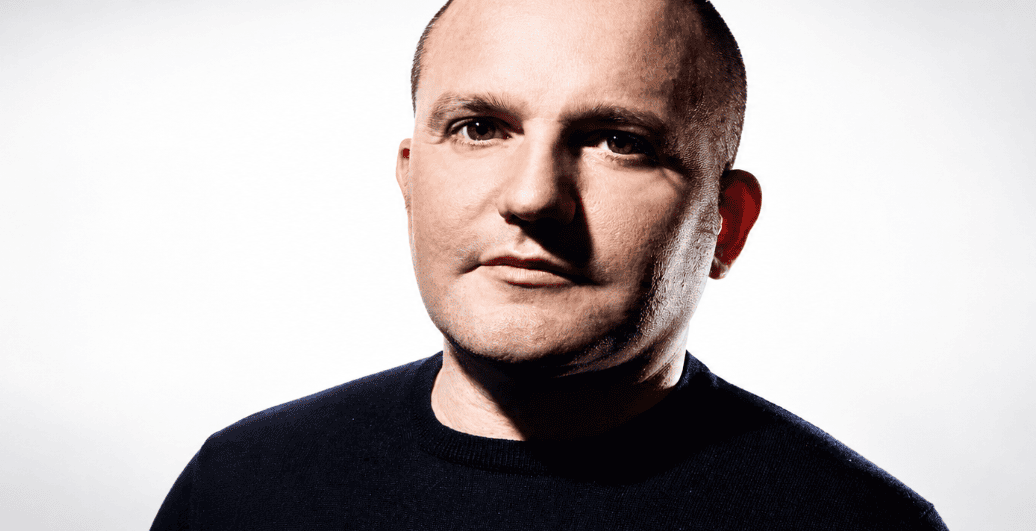
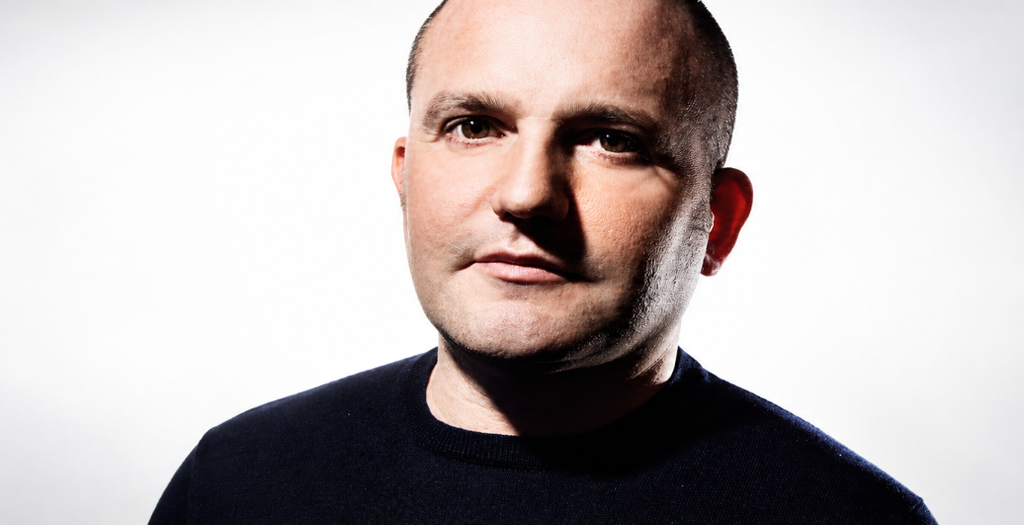
Electronic music is built around artists, DJs, producers and the communities that bring their work to life. Yet behind many of the industry’s defining careers are people working across management, media, events and business development, helping shape the structures that allow electronic music to grow.
Few industry figures have worked across as many of these areas as Ben Turner. A music journalist turned entrepreneur, artist manager and industry advocate, Turner has spent decades contributing to the development of electronic music culture. From managing influential artists and building international music platforms to establishing organisations that represent the interests of the electronic music industry, his career reflects a broad understanding of what happens beyond the dancefloor.
As the founder of Graphite Music and co-founder of the International Music Summit (IMS) and the Association for Electronic Music (AFEM), Turner has helped create opportunities for artists while encouraging wider conversations about the future of the industry.
For November 2026, Techno House CDA recognises Ben Turner as Music Manager of the Month, celebrating a career that connects artist development with a lasting commitment to the electronic music community.
From Music Journalism to the Electronic Music Industry
Turner’s professional journey began in journalism. He started his career at Melody Maker as a teenager, gaining an early understanding of music culture, media and the people shaping the British music scene.
In 1995, he co-founded Muzik magazine, an influential publication dedicated to electronic and dance music. At a time when electronic music was still fighting for wider recognition within mainstream music media, the magazine provided a dedicated platform for DJs, producers, club culture and emerging movements.
The publication also helped Turner build relationships with artists, promoters and other industry professionals. It became an important foundation for the work he would pursue beyond journalism.
His experience eventually expanded into music business roles, including work in A&R and the wider recording industry. Rather than remaining an observer of the electronic music scene, Turner became increasingly involved in the business structures behind it.
That transition would define much of his career. His background in journalism gave him an understanding of the culture, while his experience in management and events allowed him to turn ideas and professional relationships into practical projects.
Graphite Music: Building Careers Beyond the Dancefloor
At the centre of Turner’s work as an artist manager is Graphite Music, a music management and brand services company specialising in electronic music.
Founded in 2001, Graphite operates across artist representation, brand partnerships and creative projects. Its approach reflects the changing nature of the electronic music business, where an artist’s career can extend far beyond recorded music and DJ performances.
Today, electronic artists operate across international touring, festivals, fashion collaborations, audiovisual productions, film and television projects, and digital platforms. Navigating these opportunities requires a management approach that understands both the creative identity of an artist and the commercial structures surrounding the industry.
Graphite’s work has included representing some of the most recognisable names in contemporary electronic music, including Richie Hawtin, also known through his influential Plastikman project, Brazilian techno artist ANNA, Colombian electronic producer Ela Minus and Palestinian DJ and producer Sama’ Abdulhadi.
These artists have different musical identities and career trajectories, but each demonstrates the international reach and cultural diversity of contemporary electronic music.
Turner’s management philosophy is closely connected to the idea that artist representation should be built on trust, long-term relationships and an understanding of the wider opportunities available to creative talent.
Richie Hawtin and the Intersection of Music, Technology and Art
One of the most significant artist relationships associated with Turner’s management career is his work with Richie Hawtin.
Known for his influential contributions to minimal techno and electronic music experimentation, Hawtin has consistently explored the relationship between music, technology and visual culture. Through his Plastikman project and various live and multimedia productions, he has developed an artistic identity that reaches beyond traditional DJ performances.
The collaboration between Hawtin and Graphite reflects the increasingly interconnected nature of electronic music. Artist management today can involve overseeing creative partnerships, technology-driven projects, brand collaborations and performances in cultural spaces outside conventional club environments.
Hawtin’s collaborations with fashion house Prada offer an example of this crossover. His work has included the Plastikman EX performance at the Guggenheim Museum in New York and the Prada Extends event series, which brought electronic music into different cultural and architectural settings.
For a manager, projects of this nature require an understanding of the artist’s creative direction while ensuring that commercial partnerships remain relevant to the wider artistic identity.
It is this ability to connect music with other creative industries that has become an increasingly important part of Turner’s work.
Supporting a New Generation of Electronic Artists
While established names form an important part of Graphite’s history, the company’s roster also reflects the changing direction of electronic music.
ANNA has become internationally recognised for her powerful techno productions and performances, while Ela Minus brings together electronic production, songwriting and a distinct artistic identity. Sama’ Abdulhadi has developed a significant international presence, becoming one of the most recognisable Palestinian artists in global techno.
Their work represents different musical perspectives and experiences, highlighting the international character of contemporary electronic music.
Supporting artists with individual identities is an important part of the management process. International visibility can create new opportunities, but it also brings challenges involving touring demands, creative expectations and the need to maintain a sustainable professional life.
Turner’s experience across music media, artist management and industry organisations gives him a perspective that extends beyond the immediate demands of an individual release or performance.
From Bestival to the International Music Summit
Turner’s influence has never been limited to artist management.
One of his earlier major projects involved managing Rob da Bank, the British DJ and broadcaster whose creative vision eventually developed into the Bestival and Camp Bestival festivals.
Their professional relationship began through the music media world, where Rob da Bank initially worked with Turner. Recognising his musical knowledge and creative potential, Turner later became involved in managing his career and helping turn his ideas into larger projects.
The development of Bestival demonstrated the possibilities of independent festival culture. Built around a distinctive creative identity, the event became an important part of the British festival landscape.
Turner also helped establish the Association of Independent Festivals (AIF) in 2008, responding to the challenges facing independent festival organisers and the need for greater representation within the live music industry.
These experiences helped shape his understanding of the importance of collective organisation. Independent artists, promoters and festivals often operate in a complex business environment, where access to resources and industry representation can make a significant difference.
That perspective would become even more important through his later work with the International Music Summit and AFEM.
International Music Summit: Connecting the Global Electronic Music Community
One of Turner’s most recognised contributions is the International Music Summit (IMS), which he co-founded with Pete Tong and other industry figures.
Established in 2007, IMS was created as a platform for discussion, education, networking and collaboration within electronic music. Its annual Ibiza edition brings together artists, managers, promoters, labels, technology companies and other professionals to discuss the challenges and opportunities shaping the industry.
Unlike traditional music festivals, IMS focuses on the business and cultural questions surrounding electronic music. Its programme has explored subjects including artist development, technology, mental health, sustainability, diversity, industry economics and the changing relationship between music and digital platforms.
The summit has also expanded beyond Ibiza through events and editions in other international markets, helping connect different electronic music communities.
Turner’s background in journalism has played an important role in shaping its identity. The ability to identify relevant questions, bring different voices together and encourage meaningful discussion is central to the summit’s purpose.
IMS also provides a space where the business side of electronic music can meet the culture that supports it. Its programme connects conversations taking place in conference rooms with the artists and communities shaping the dancefloor.
The annual Dalt Vila event in Ibiza is an important part of this identity, bringing the summit’s professional discussions into a live music setting at the island’s historic UNESCO World Heritage location.
AFEM: Protecting and Representing Electronic Music
In 2013, Turner co-founded the Association for Electronic Music (AFEM), an international not-for-profit organisation established to represent and support the electronic music industry.
The organisation was developed around a clear objective: to preserve, protect and promote electronic music culture worldwide.
Electronic music is a global industry involving artists, labels, publishers, promoters, clubs, festivals, managers, technology companies and many other professionals. Despite its cultural and economic importance, the sector has historically faced challenges around representation, education, rights and business transparency.
AFEM provides a platform for industry professionals to work collectively on these issues. Its activities have included advocacy, industry education and initiatives addressing the conditions in which electronic music is created, distributed and experienced.
For Turner, the organisation represents a natural extension of the conversations taking place through IMS. While the summit creates a space for industry discussion, AFEM provides a structure through which shared concerns can be represented and addressed.
This distinction is important. The development of a global music culture requires more than successful artists and events. It also depends on the organisations and professional networks that help protect the people and businesses behind it.
Beyond Management: Wellness and the Future of Music Culture
Turner’s work has also extended into conversations about health and wellbeing within the creative industries.
In 2017, he co-founded The Art of Areté, a wellness platform connected to IMS. The initiative reflects a growing recognition that the music industry must address the physical and mental demands placed on artists and professionals.
Electronic music careers can involve extensive travel, irregular schedules, demanding performance environments and the pressure of maintaining a public profile. These challenges affect not only artists but also managers, promoters, production teams and other people working behind the scenes.
By integrating wellness into the wider IMS conversation, Turner has helped bring attention to subjects that were not always treated as central to the music business.
This approach also reflects a broader understanding of sustainability. For the electronic music industry to develop over the long term, it must consider not only financial and commercial growth but also the wellbeing of the people who make the culture possible.
Why Ben Turner Is Music Manager of the Month
Ben Turner earns the November 2026 Music Manager of the Month selection for his contribution to electronic music across artist management, media, events and industry representation.
Through Graphite Music, he has worked with influential artists whose careers connect different generations and directions within electronic music. His management work with Richie Hawtin and his company’s representation of artists such as ANNA, Ela Minus and Sama’ Abdulhadi demonstrate an understanding of the international and constantly evolving nature of the scene.
However, what makes Turner’s career particularly noteworthy is the wider infrastructure he has helped establish.
From co-founding Muzik magazine and developing the International Music Summit to helping launch AFEM, his work has consistently focused on creating platforms through which electronic music professionals can connect, develop and address shared challenges.
His contribution also highlights the evolving role of the music manager. The profession is no longer limited to negotiating bookings, organising schedules and overseeing commercial opportunities. Increasingly, managers are involved in shaping creative partnerships, supporting artist wellbeing and contributing to the wider industry environment.
Turner’s career reflects that expanded role, making him a fitting choice for this month’s feature.
Final Thoughts
The history of electronic music is often told through its artists, influential records, legendary clubs and defining performances. Yet the development of the culture also depends on the people who build the structures behind it.
Ben Turner has spent decades working across those different areas. From music journalism and artist management to festival development and international industry advocacy, his career has been shaped by a consistent interest in the people, ideas and opportunities moving electronic music forward.
Through Graphite Music, IMS and AFEM, he continues to contribute to an industry that is constantly changing while remaining deeply connected to its underground roots.
For November 2026, Ben Turner represents the importance of looking beyond the spotlight and recognising the people whose work helps shape the future of electronic music.
Because building a lasting music culture takes more than great artists. It also takes people willing to create the opportunities, platforms and connections that allow the culture to thrive.