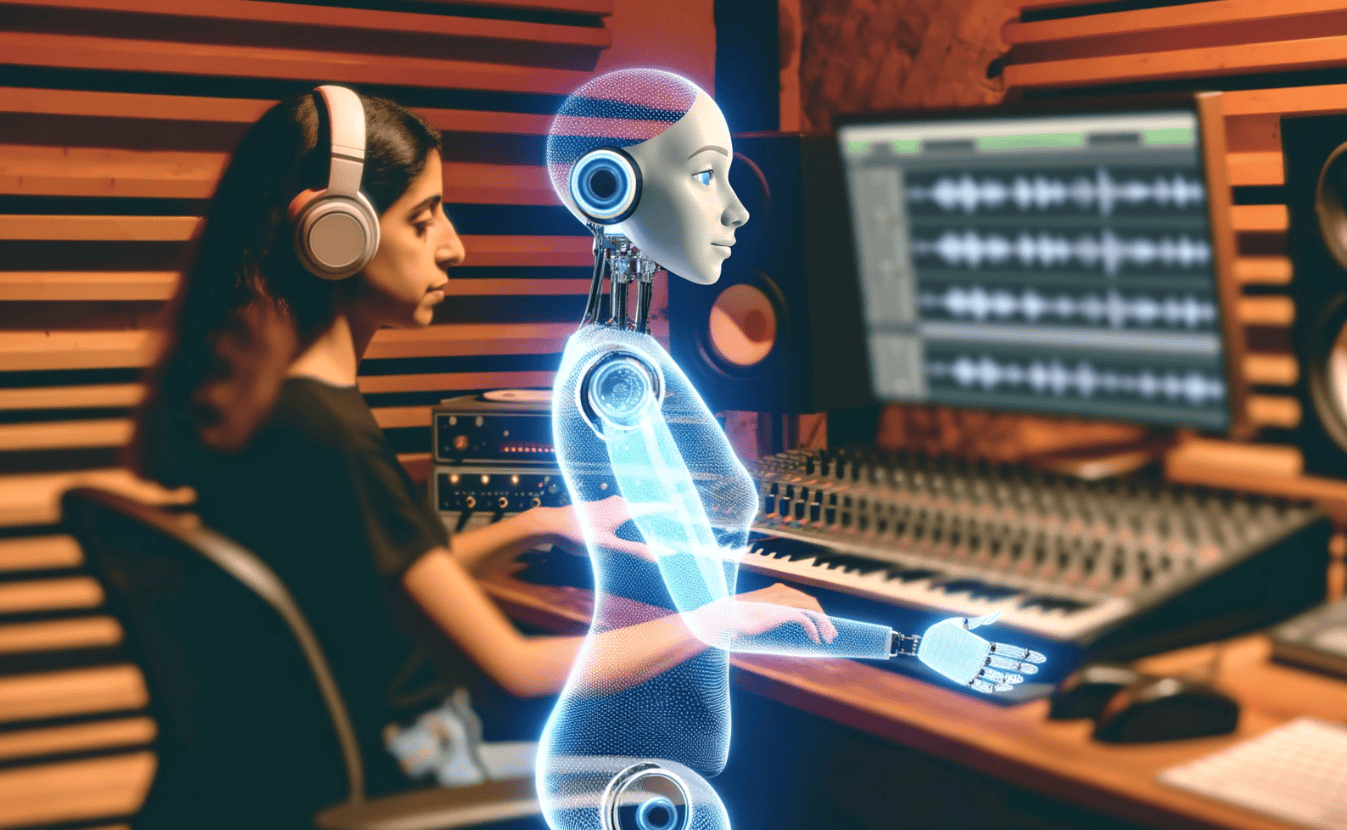
The AI Music Awards are set to make their debut in Los Angeles on November 13, 2026, bringing a new spotlight to one of the most debated developments in the music industry. Organized by the Sonic Intelligence Academy (SIQA), the inaugural ceremony aims to recognize creators working with artificial intelligence and establish a dedicated platform for AI-generated music.
The event will take place at The Mayan in Downtown Los Angeles, with organizers positioning it as a milestone for a rapidly evolving creative field. Under the slogan of judging AI creators as artists rather than experiments, the awards seek to give this emerging category greater visibility. However, the announcement also raises important questions about authorship, originality and the role of human creativity in music production.
As AI tools become increasingly accessible to musicians and hobbyists, the ceremony arrives at a time when the industry is still working out how to classify, evaluate and credit music made with generative technology.
AI Music Awards Set to Debut in Los Angeles
The first AI Music Awards, also referred to as the AIMAs, are being organized by SIQA, which describes itself as an independent AI music intelligence and infrastructure company. The organization says the ceremony will provide a dedicated stage for artists creating music with artificial intelligence.
Scheduled for November 13, the event will bring the concept to a physical venue rather than limiting recognition to online communities and digital platforms. The Mayan, located in Downtown Los Angeles, will host the inaugural ceremony, with tickets available through the organization’s website.
In its announcement, SIQA compared the emergence of AI music with the cultural identities associated with established musical movements. Country music has Nashville, hip-hop has the Bronx, and other genres have developed recognizable centers of creativity and community. According to the organizers, AI music now deserves a platform of its own.
That argument reflects a broader effort to treat AI-assisted creation as a distinct area of musical practice. Nevertheless, establishing awards does not automatically resolve the questions surrounding the technology. The event will need to demonstrate how it evaluates creative contribution, distinguishes different production methods and recognizes the people behind each work.
How the AI Music Awards Will Classify Entries
One of the central features of the AIMAs is their proposed classification system. SIQA plans to sort registered tracks into three categories based on the role artificial intelligence plays in their creation.
Fully AI-Generated Music
The first category, Fully AI-Generated, covers tracks classified by the organization as being created through AI-driven processes. Generative music platforms can produce vocals, instrumental arrangements and complete compositions from written prompts or other user inputs.
These systems have lowered the technical barriers to producing music. Someone without extensive experience in composition, recording or sound design can now experiment with musical ideas using relatively simple instructions.
However, the ease of generating a finished track raises questions about how creative achievement should be measured. The prompt, selection process, editing decisions and arrangement choices may all influence the result, even when much of the audio is generated automatically.
AI-Assisted Music
The second category, AI-Assisted, recognizes music made with the help of artificial intelligence. In this model, AI may support particular stages of production without generating the entire composition.
For example, a producer might use AI-powered tools to develop ideas, manipulate audio or accelerate parts of a workflow while retaining substantial creative control over the final recording.
This category reflects the growing presence of AI across music production. Rather than replacing the artist, these tools can function as part of a wider creative process.
Human and AI Hybrid Music
The third category, Human + AI Hybrid, covers projects that combine human contributions with AI-generated elements. SIQA’s description includes practices such as vocal cloning.
This distinction is particularly relevant as artists experiment with synthetic voices, generated instrumentation and digitally manipulated performances. A finished track may involve a human songwriter, a producer, AI-generated vocals and extensive post-production.
Separating these approaches could help listeners and industry professionals understand how a recording was made. Still, the usefulness of any classification system depends on transparent definitions, reliable verification and clear information about the contributions of both humans and AI systems.
SIQA Verified App Aims to Improve AI Music Transparency
Alongside the awards, SIQA is introducing the SIQA Verified app, a companion product designed to identify recordings and report their AI classifications.
According to the organization, the app uses audio fingerprinting to recognize a track and return its classification within seconds. SIQA compares the experience to music identification services such as Shazam, although its stated purpose focuses on production provenance rather than simply identifying a song.
The distinction matters because AI-generated music is becoming harder to identify by listening alone. Some recordings combine synthetic elements with conventional production techniques, while others are created through workflows that leave little obvious indication of how the final audio was produced.
A classification tool could give listeners, labels, distributors and streaming services additional information when assessing a track. It may also help establish more consistent terminology for describing AI involvement.
However, audio fingerprinting and AI classification are not necessarily the same process. Recognizing an existing recording does not, by itself, establish how that recording was created. The effectiveness of SIQA Verified will therefore depend on the information available to its system, the reliability of its classifications and how the organization verifies submitted material.
Its wider value will become clearer as the app develops and more creators begin using it.
AI Music Raises Questions About Authorship and Originality
The launch of the AI Music Awards comes amid ongoing debates about the place of generative AI in the music business. While these tools offer new creative possibilities, they have also intensified concerns about copyright, vocal imitation, training data and the economic consequences for human musicians.
One major issue is authorship. If a person enters a prompt and a system generates most of the audio, determining the extent of the individual’s creative contribution can be complicated. The answer may differ significantly from a project in which a songwriter uses AI for one element of a much larger production.
There are also questions about the material used to develop generative music systems. Artists and rights holders have raised concerns about whether existing recordings are used appropriately to train AI models and how the resulting technology affects the value of original work.
The awards’ three-category approach could help distinguish different production methods, but classification alone cannot settle these wider disputes. Copyright obligations, licensing arrangements and questions of consent require separate consideration.
Equally, recognizing AI-related music does not necessarily mean that all AI-generated work should be judged by the same standards as traditionally produced recordings. The challenge for any awards organization will be to define its criteria clearly and explain how it evaluates originality, creative direction and artistic impact.
What the First AI Music Awards Could Mean for the Industry
The inaugural ceremony represents an attempt to give AI music a more formal place within the wider entertainment landscape. By combining an awards event with a classification app, SIQA is pursuing both cultural recognition and a practical system for identifying how music is produced.
If the initiative gains traction, it could encourage more consistent disclosure of AI involvement and create opportunities for creators experimenting with new production methods. It could also prompt established music organizations to reconsider how they define artistic contribution as technology continues to evolve.
Yet credibility will be essential. Clear judging criteria, transparent eligibility requirements and meaningful distinctions between AI-generated and AI-assisted work will help determine whether the awards become a respected industry event or remain a niche experiment.
The November ceremony will provide an early indication of how SIQA intends to turn its ambitions into practice.
AI Music Awards Mark a New Chapter in Music Technology
The AI Music Awards are scheduled to arrive in Los Angeles on November 13, 2026, with SIQA aiming to recognize creators working across fully AI-generated, AI-assisted and human-AI hybrid music.
The accompanying SIQA Verified app adds another dimension to the initiative by seeking to make production information easier to access. Together, the projects address two emerging questions: how AI music should be recognized and how listeners can better understand the recordings they encounter.
Whether the AIMAs become a lasting fixture in the music calendar will depend on their execution, transparency and ability to engage with the industry’s concerns. One thing is clear: as artificial intelligence becomes more deeply integrated into music production, discussions about creativity, ownership and artistic recognition are only becoming more important.