
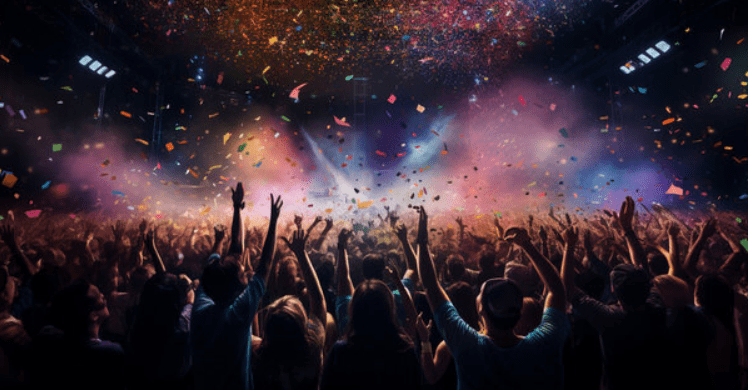
In an era dominated by endless scrolling, algorithm-driven content, and digital overload, a surprising new trend is taking over the live events industry: phone-free experiences.
What once sounded extreme is now becoming mainstream. Across concerts, wellness gatherings, nightlife events, and community experiences, more people are willingly locking away their smartphones in exchange for something increasingly rare in 2026: genuine human connection.
According to newly released data from Eventbrite, phone-free events have surged globally by an astonishing 567% between 2024 and early 2026. Even more striking, attendance in the United States jumped by 913%, revealing a growing cultural backlash against constant digital stimulation.
The rise of these events says a lot about modern life and even more about how exhausted people have become from living online.
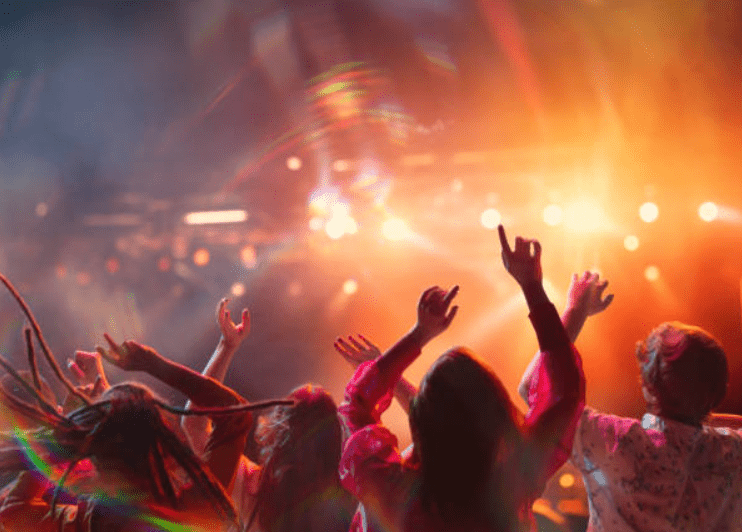
Phone-Free Events Are Becoming a Cultural Movement
For years, smartphones have quietly transformed live entertainment.
Concertgoers now experience performances through camera screens. Club crowds often spend more time filming than dancing. Even intimate social moments have become opportunities for content creation.
Now, that culture appears to be reaching a breaking point.
The explosive growth of phone-free events suggests many people are no longer satisfied with digitally mediated experiences. Instead, they want environments where attention feels authentic and presence is not performative.
Eventbrite’s research found that younger audiences are driving the trend most aggressively. Among people aged 18 to 35, nearly half said they want events to feel “less curated and more real.” Meanwhile, 79% reported valuing spontaneity over perfectly planned experiences.
That shift matters because younger generations have spent most of their lives online. For many Gen Z and millennial attendees, social interaction has become deeply intertwined with public performance through social media.
As a result, disconnecting from phones now feels almost rebellious.
Digital Burnout Is Fueling the Shift
The rise of phone-free experiences is directly tied to worsening digital burnout.
Over the last decade, smartphones evolved from useful communication tools into nonstop attention machines. Social feeds, notifications, short-form video platforms, and AI-generated content now compete for every spare second of human focus.
Many users are reaching their limit.
A separate national survey commissioned by ThriftBooks and conducted by Talker Research found that 25% of Americans feel overwhelmed by their digital consumption. Another 22% identified screen time as a major source of anxiety.
Perhaps most concerning, nearly one in five respondents said excessive digital use has left them feeling dissatisfied with their lives.
The emotional impact appears even deeper when social connection enters the equation. Researchers found that roughly 70% of time spent online contributes more to loneliness than meaningful interaction.
That statistic helps explain why in-person experiences are suddenly becoming more valuable again.
People are not just looking for entertainment anymore. They are searching for relief.
Why Younger Generations Are Craving Offline Experiences
The growing popularity of phone-free events reflects a broader identity shift among younger audiences.
For years, social media encouraged constant self-documentation. Everyday life became content. Experiences often felt incomplete unless they were photographed, posted, and validated online.
However, many younger consumers now appear deeply fatigued by that cycle.
Instead of chasing perfectly curated aesthetics, people increasingly want unpredictability, emotional honesty, and unfiltered interaction. That explains why analog hobbies, offline communities, and digital detox experiences are seeing renewed interest across industries.
The trend extends far beyond nightlife.
Book clubs, silent retreats, dinner parties, hiking groups, wellness workshops, and even fitness classes are increasingly promoting device-free policies as selling points rather than restrictions.
In many cases, removing phones changes social dynamics immediately. Conversations become more natural. Eye contact increases. Attention spans improve. People engage more fully with the environment around them.
Ironically, disconnecting now feels more novel than being connected.
The Live Music Industry Is Facing a Smartphone Reckoning
Nowhere is the debate around phones more visible than live music culture.
Artists across electronic music, pop, and rock have increasingly criticized audiences for experiencing concerts through screens instead of living in the moment. Viral videos frequently show massive crowds recording entire performances without actually dancing or engaging emotionally.
That frustration is helping normalize phone restrictions at events.
Several festivals and nightlife brands have already experimented with sticker systems, locked phone pouches, or designated no-recording zones. While some attendees initially resisted the idea, many later described the experiences as surprisingly liberating.
For electronic music culture specifically, the shift feels especially significant.
Dance music scenes historically emphasized collective energy, escapism, and communal connection. However, smartphone culture gradually altered that atmosphere by turning dancefloors into spaces optimized for content capture.
As a result, many promoters now view phone-free environments as a way to restore authenticity to nightlife experiences.
The Attention Economy May Finally Be Facing Pushback
The rapid growth of phone-free events also signals a larger cultural reaction against the attention economy itself.
For years, tech platforms profited from maximizing screen time through addictive design, personalized algorithms, and constant stimulation. Every notification, swipe, and refresh became part of a larger system competing for human attention.
Now, consumers appear increasingly aware of that dynamic.
Ignoring notifications, leaving phones behind, or attending disconnected events no longer feels inconvenient to many people. Instead, it feels restorative.
That psychological shift could have major implications for entertainment, hospitality, and social culture moving forward.
Experiences built around mindfulness, presence, and real-world connection may continue gaining value as digital fatigue worsens. In turn, event organizers are beginning to recognize that scarcity of attention itself has become a marketable commodity.
The less accessible people feel online, the more attractive offline experiences become.
Analog Culture Is Making a Surprising Comeback
The return of analog habits is another major theme driving this movement.
According to survey data, 84% of Americans say they are actively incorporating more offline activities into their lives to improve mental well-being. That includes reading physical books, journaling, collecting vinyl records, attending community events, and limiting social media use.
These habits offer something digital environments often struggle to provide: mental stillness.
Unlike algorithmic feeds designed for endless engagement, analog activities typically encourage slower attention and deeper focus. For many people, that slower pace feels increasingly necessary in a hyperconnected world.
Phone-free events fit naturally into that broader lifestyle shift.
They create temporary environments where participants can step outside the pressures of digital performance and experience interaction without constant interruption.
For some attendees, even a few hours offline can feel transformative.
Phone-Free Events Could Redefine Social Experiences in 2026
The rise of phone-free events may seem surprising at first glance, but the underlying reasons are becoming impossible to ignore.
People are exhausted by constant connectivity. They are overwhelmed by curated online identities, nonstop notifications, and digital environments that rarely allow genuine mental rest.
As a result, experiences built around presence, spontaneity, and human connection are becoming more valuable than ever.
While smartphones are unlikely to disappear anytime soon, the growing popularity of device-free spaces suggests culture may finally be recalibrating its relationship with technology.
In 2026, putting your phone away is no longer antisocial.
It might actually be the most connected thing you can do.