Electronic music culture may finally have scientific proof for something ravers have felt for decades
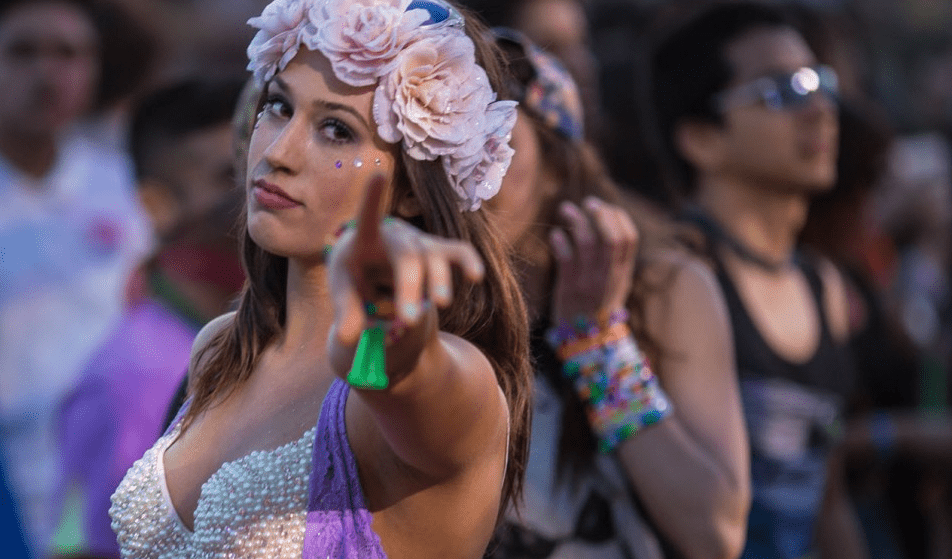
Anyone who has stood in the middle of a festival crowd at sunrise, surrounded by strangers singing the same melody back into the night, already understands the feeling. Now, science is beginning to explain it.
A new wellbeing study led by behavioural scientist Patrick Fagan in partnership with O2 has found that people who regularly attend festivals and live music events report happiness levels up to 21% higher than those who do not. Read the full study via the O2 site.
At first glance, the statistic sounds almost too neat — another headline built for social media circulation. But beneath the number lies something much more culturally significant: growing recognition that live music experiences are not simply entertainment anymore. For millions of people, they function as emotional release, social connection, identity, and escape all at once.
And nowhere is that more visible than inside electronic music culture.
Why festivals have become emotional infrastructure
For years, dance music communities have described festivals as transformative spaces. Not because they are perfect, but because they temporarily suspend the pressure of everyday life. The study’s findings reinforce exactly that.
Participants reported lower stress levels, improved mood, and a stronger sense of connection after attending live events. Many described feeling emotionally lighter, more present, and socially engaged following festival experiences — outcomes that resonate deeply in a post-pandemic world still navigating burnout, digital fatigue, and emotional isolation.
The timing of the research matters.
Over the last few years, conversations around mental health have shifted dramatically across the music industry. Festivals, once viewed primarily as commercial entertainment products, are increasingly being understood as modern communal rituals — places where people reconnect not only with music, but with themselves and each other.
The return of human connection in the streaming era
The study also highlights something electronic music culture has been defending for years: streaming can replicate access, but it cannot replicate presence.
No algorithm can reproduce the emotional chemistry of thousands of people moving together in sync. No playlist can recreate the psychological release that happens when a crowd collectively loses itself in a drop, a lyric, or a sunrise closing set.
That distinction has become increasingly important as festivals continue evolving into global cultural ecosystems rather than isolated music events. From Ultra Music Festival to boutique organic house gatherings across Europe, live electronic events now operate as emotional destinations as much as musical ones.
And audiences clearly understand the difference.
More than escapism
Critics have often dismissed festival culture as temporary escapism, but the data paints a more nuanced picture. What people appear to gain is not simply distraction — it is emotional regulation, belonging, and shared experience.
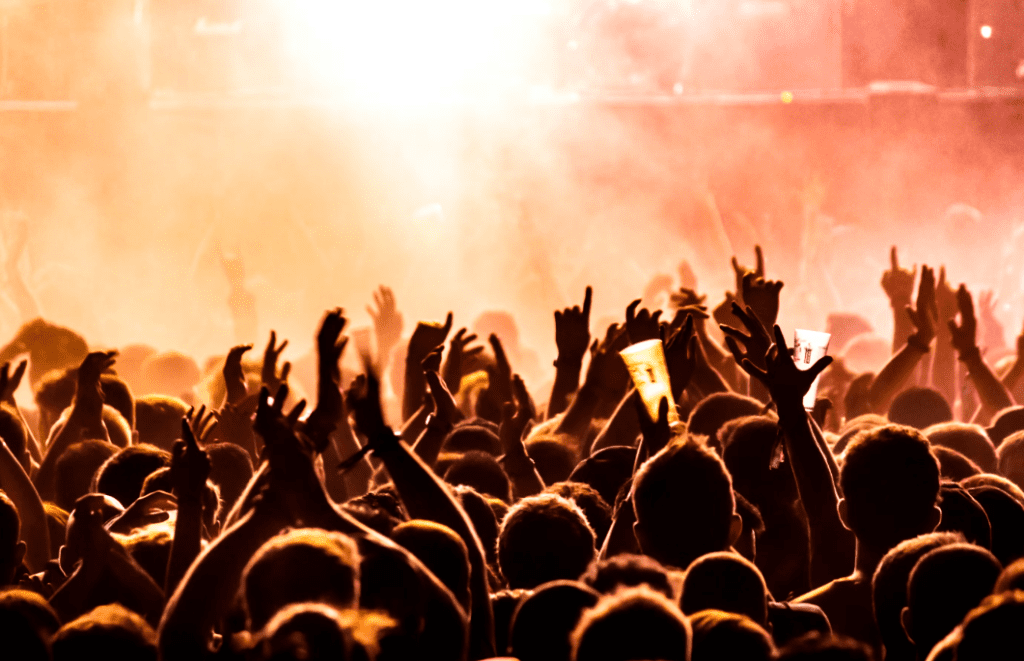
The atmosphere itself emerged as a key factor in the findings. According to participants, the wellbeing boost extended beyond artists or performances and into the collective environment: the people, the freedom, the sense of unity, and the absence of judgment.
That emotional architecture has always been central to dance music culture. Long before wellness became a marketing term, club culture created spaces built around release, inclusion, and emotional catharsis.
Now, those experiences are being quantified.
A new argument for festival culture
The research arrives during a critical period for the live events industry. Rising costs, licensing battles, venue closures, and increasing pressure on independent festivals continue to reshape nightlife worldwide.
But studies like this shift the conversation. Festivals are no longer just economic engines or tourism drivers — they are increasingly part of broader wellbeing conversations surrounding community and mental health.
For the electronic music world, that recognition feels long overdue.
Where music becomes environment, not just sound
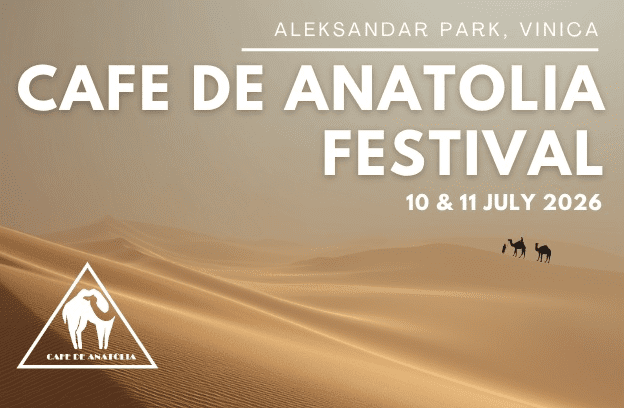
Across Europe, festival culture has evolved beyond stages and lineups. It has become immersive — blending sound, design, food, art, and ritual into a single experience. The upcoming debut of the first-ever 2-day Cafe De Anatolia Festival fits directly into that evolution.
Tickets: https://mktickets.mk/event/cdafestival/
What makes the announcement stand out is not just the format, but the scale of expectation already surrounding it. Long before the first track plays, demand has positioned the event as one of the most anticipated regional summer gatherings in electronic music culture.
Just one year ago, Cafe De Anatolia hosted “A Night to Remember” at Sliv Elite Events in Vinica — a night that marked one of the first major live expressions of the brand in its home country setting. The response then set the tone for what would follow: a growing demand for physical, immersive experiences rooted in the label’s organic sound.
Now, that trajectory continues in a more ambitious form. Following the Skopje show, the brand prepares for its first-ever two-day festival edition in Vinica on July 10–11 at Aleksandar Park — a large-scale expansion of its live concept.
A two-day experience built beyond the dancefloor
Unlike conventional festivals built around peak-hour performances, the Cafe De Anatolia Festival is structured as a full sensory ecosystem.
Why this format reflects where festival culture is heading
The rise of hybrid festival formats like this reflects a broader shift identified in the happiness study itself: the atmosphere matters as much as the music.
Participants in the research consistently highlighted shared space, social energy, and emotional release as key contributors to wellbeing — not just the performance itself. That insight feels almost built into the structure of the Cafe De Anatolia Festival, where music exists alongside food, art, wine, and interaction rather than separate from it.
In that sense, the festival becomes less about consumption and more about participation.
A regional moment with global context
Electronic music has increasingly moved toward experiential storytelling — from large-scale immersive productions to boutique destination festivals. The Cafe De Anatolia Festival positions itself within that global shift, while still grounding itself in local identity, culture, and regional producers.
Closing Perspective
Perhaps the most important part of the study is not the 21% figure itself, but what it validates.
For decades, people inside festival culture have struggled to explain why these experiences matter so deeply. Why one weekend can emotionally reset an entire month. Why strangers become lifelong friends after one shared set. Why music, at its best, can briefly make people feel more human.
As electronic music continues to evolve, its most powerful currency is no longer exclusivity or scale — it is connection.
Whether in global megafestivals or emerging cultural places like Vinica, the underlying truth remains the same: people are not just attending festivals for entertainment. They are attending because these spaces make them feel more alive, more connected, and, increasingly, measurably happier.
And if science is only now beginning to confirm that, the dancefloor has known it all along.