
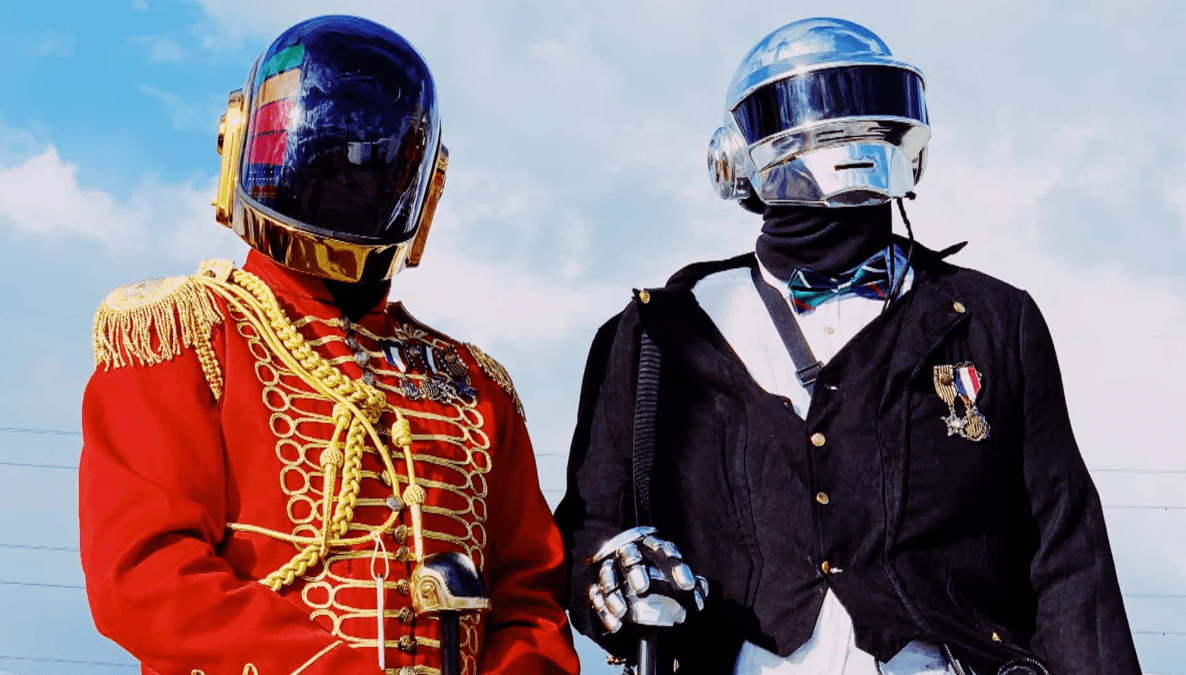
Yesterday marked 13 years since Daft Punk released “Get Lucky”—a track that didn’t just dominate charts, but quietly rewired the DNA of mainstream music. Arriving in April 2013, it felt like a shift in temperature: warmer, smoother, unmistakably human. At a time when electronic music was racing toward maximalism, “Get Lucky” slowed everything down—and in doing so, changed everything.
The Collaboration That Bridged Eras
On paper, the formula was unexpected. Pharrell Williams on vocals. Nile Rodgers on guitar. And Daft Punk—long associated with robotic futurism—leaning into live instrumentation with almost obsessive precision.
The result was effortless, but not accidental. Rodgers’ signature Chic-inspired guitar grooves brought disco back into the present tense, while Pharrell’s falsetto delivered a hook so fluid it felt inevitable. Together, they created something rare: a track that spoke to multiple generations at once. Clubbers, radio listeners, crate-diggers—it didn’t matter. Everyone heard themselves in it.
A Turning Point for Electronic Music
By 2013, EDM had reached a commercial peak defined by explosive drops and festival-scale production. “Get Lucky” arrived as a counterpoint. It didn’t reject dance music—it refined it.
As the lead single from Random Access Memories, the track signaled a broader artistic pivot. Daft Punk moved away from purely digital textures and toward analog warmth, live musicianship, and meticulous studio craft. In doing so, they reminded the industry that electronic music wasn’t just about volume or velocity—it was about feel.
The impact was immediate. The single topped charts in more than 30 countries, dominated streaming platforms, and became one of the defining sounds of the early streaming era. But its deeper influence unfolded more slowly, shaping the direction of pop, house, and disco revival movements for years to come.
The Blueprint for Modern Pop-Funk
Listen closely to today’s global hits, and the fingerprints of “Get Lucky” are everywhere. The resurgence of disco-infused pop, the emphasis on groove over drop, the return of live instrumentation in electronic production—it all traces back, in part, to this moment.
Artists like Dua Lipa, Jungle, and Tom Misch have carried that legacy forward, building entire sonic identities around the balance Daft Punk perfected: nostalgic yet forward-thinking, polished yet deeply human.
What “Get Lucky” proved is that dance music doesn’t need to shout to be heard. Sometimes, the quietest grooves travel the furthest.
Awards, Legacy, and Cultural Permanence
The accolades came quickly. At the 2014 Grammys, “Get Lucky” secured Record of the Year and Best Pop Duo/Group Performance, while Random Access Memories claimed Album of the Year—an almost symbolic passing of the torch for electronic music as a serious artistic force within the mainstream.
Yet awards only tell part of the story. Thirteen years later, the track still lives where the best dance music belongs: on dancefloors, at weddings, in summer playlists, and in the collective memory of a generation.
It’s not just a song people remember—it’s a feeling they return to.
A Groove That Never Ages
There’s a reason “Get Lucky” continues to resonate long after its release. It exists outside of trend cycles. It doesn’t rely on nostalgia, even though it draws from the past. It feels timeless because it was built that way—layer by layer, note by note, with an almost cinematic attention to detail.
And perhaps that’s Daft Punk’s greatest trick. In an era obsessed with the future, they looked backward just enough to create something that could live forever.